Claude Duet: what Anthropic's personal agent actually changes for creators
Your next creation starts with a sentence. — free credits on sign-up Bring my idea to life
Anthropic announced on October 21 a preview of Claude Duet, an AI agent positioned as a work assistant for small businesses and professionals. The announcement follows Meta's launch of Muse and OpenAI's presentation of Dots, two products that have staked out the personal agent space. For creators outside the United States, the interest is real but conditional: the preview is limited to Pro and Max subscribers through a waitlist, and no availability outside the US has been mentioned so far.
What Claude Duet is meant to do
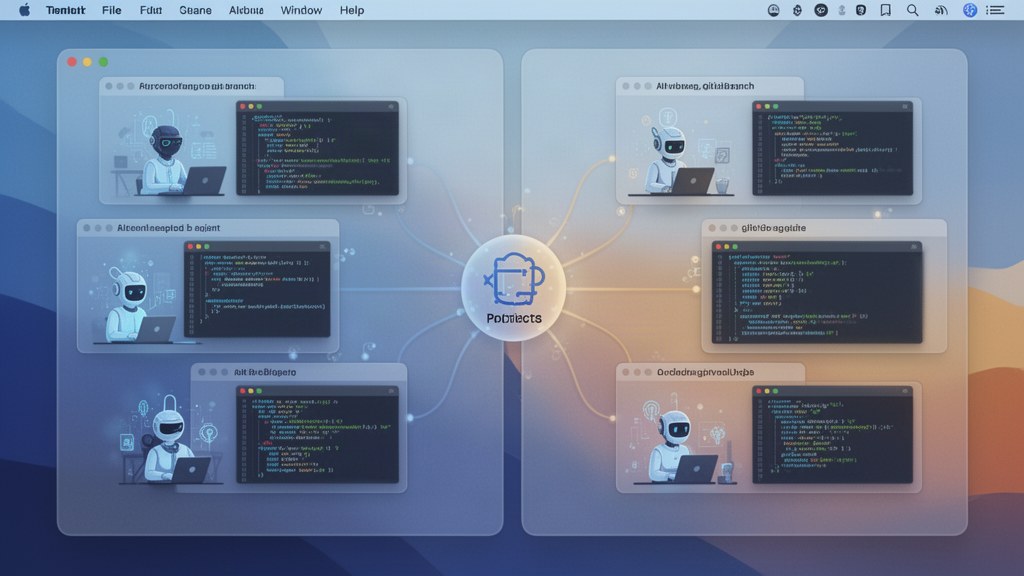
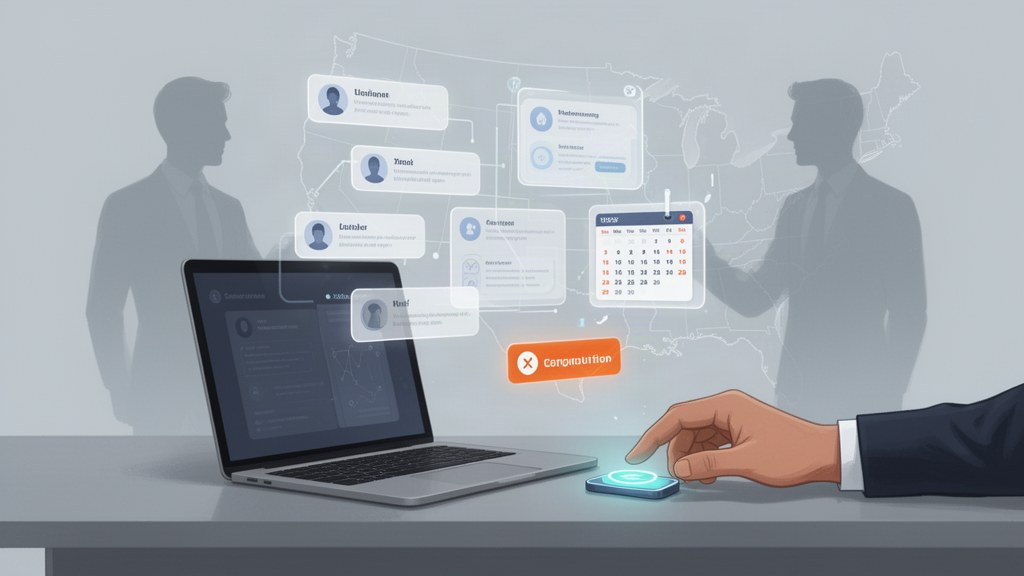
According to Anthropic's description, Claude Duet does more than answer questions: it can send daily briefs, monitor connected applications and carry out various tasks. The examples cited include building dashboards, scheduling meetings and producing financial forecasts.
The announced behavior rests on three promises: flagging what needs attention, continuing to work without supervision, and asking for confirmation before acting. That last point is what separates a work agent from a simple chatbot: the user delegates an intent, not a sequence of instructions.
A work agent, not a personal one
Anthropic states that Claude Duet is designed for work and performs less well on personal tasks such as booking tickets. That nuance matters for independent creators, whose activity often blends admin, production and personal logistics. An agent that excels at dashboards but stumbles on a travel booking remains an office tool, not a universal assistant.
The limits the preview acknowledges
Anthropic acknowledges that the preview may misinterpret a thread or misjudge urgency. Those two errors are precisely the most costly for a creator: a misunderstood brief can send a workday in the wrong direction, and a misjudged urgency can push an important deadline into the background.
The source gives no launch date beyond the preview, and no timeline for Europe or French-speaking markets. Pricing and the specific models involved are not detailed beyond the Pro and Max subscriptions. Finally, no independent evaluation of real-world performance is available: the described capabilities come from Anthropic, not from a third party.
Where the competition stands
Meta launched Muse the previous month, presented as a personal AI agent and aimed mainly at consumers. Mark Zuckerberg said more than 10 million people in the United States and Canada had set up Muse agents within a month and a half, and the product reached the top of the App Store. OpenAI presented Dots, its always-on agents, at its developer conference a few weeks later, with broader coverage: businesses and individuals.
The positioning gap is therefore clear: Muse targets the general public, Dots covers both worlds, and Claude Duet focuses on work and small organizations. For creators outside the US, that means the three products do not answer the same need, and none is officially available in the region yet.
What a creator can prepare now
Rather than waiting for access, it helps to identify repetitive tasks that lend themselves to delegation: project tracking, weekly summaries, meeting preparation, consolidating figures. An agent like Claude Duet, if it delivers on its promises, could take over this monitoring work and leave creative decisions to the user.
A safeguard is still needed: because the agent asks for confirmation before acting but may misinterpret a thread, human validation remains essential for actions with financial or contractual consequences.
Quick comparison
- Claude Duet (Anthropic): work-focused agent for small businesses; daily briefs, app monitoring, dashboards, forecasts; preview via waitlist for Pro and Max subscribers; no announced availability outside the US.
- Muse (Meta): consumer-oriented personal agent; strong claimed adoption in the US and Canada; mainstream positioning.
- Dots (OpenAI): always-on agents covering businesses and individuals; presented at OpenAI's developer conference.
Key takeaways
Claude Duet is a credible but still closed announcement: preview, waitlist, Pro and Max subscribers, no French-language timeline. The described uses match real needs of independent creators, but the limits Anthropic itself acknowledges and the absence of independent testing call for caution. The comparison with Muse and Dots mainly shows different segmentation: consumer, enterprise, or work. For creators outside the US, the question is not yet "which agent to choose" but "when will one of them be available in my language and my country".
Source
Anthropic announces preview of Claude Duet, a personal AI agent to take on Muse, Dots